For a long time, travelling responsibly was associated with giving something up. Less comfort, fewer services, less exclusivity.
In South Africa, the reality is quite different.
Some high-end lodges now offer elegant suites, refined cuisine and privileged safaris while changing the way they operate. They work on managing water and energy better, supporting local employment or contributing to the protection of natural areas.
This does not mean a trip can have no impact at all. Transport, accommodation and activities always use resources. What is possible is to make more coherent choices and to favour partners who take these issues seriously.
A luxury responsible trip to South Africa is therefore not built on sacrifice. It invites you to rethink luxury around quality, time, space and experiences that sit more comfortably in their environment.
In short
- You can travel with a high level of comfort while still making more responsible choices.
- Luxury is no longer about abundance. It also rests on privacy, service quality and the rarity of the experience.
- A committed lodge can act on water, energy, waste, local employment or nature protection.
- A certification is useful, but it does not replace real knowledge of the ground.
- Choosing the agency, the guides and the activities matters as much as choosing the accommodation.
Can responsible travel and luxury go together in South Africa?
Yes. You can absolutely stay in high-end accommodation and enjoy exclusive experiences while following a more responsible approach.
Comfort itself is not the problem. What matters is the way it is delivered.
A lodge can offer a suite opening onto the savannah, highly personalised service and a carefully prepared table while working on its water consumption, its waste or its local purchasing.
High-end tourism is also changing along with travellers’ expectations. Many are now looking for something other than excess. They want to take their time, discover a destination in greater depth and stay in places that have a genuine story.
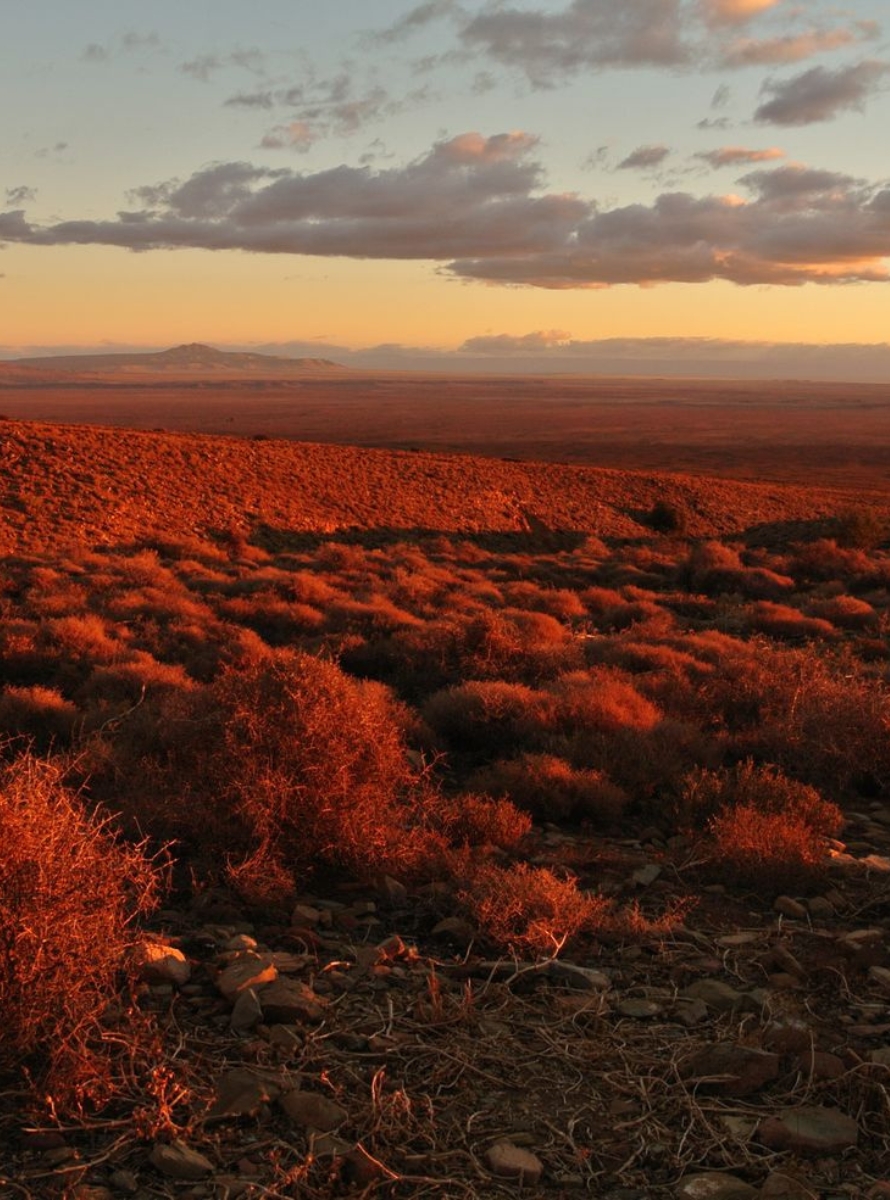
In South Africa, this new vision of luxury fits naturally. The landscapes, the private reserves, the quality of the accommodation and the richness of the encounters make it possible to design trips that are both elegant and more attentive to their environment.
To understand this approach better, read our guide to sustainable tourism in South Africa.
Why are sustainable tourism and comfort still seen as opposites?
Because responsible tourism was long associated with simple accommodation and a form of frugality. Yet reducing certain impacts does not necessarily mean reducing comfort.
A property can limit its water consumption without asking guests to give up a pleasant shower. It can reduce plastic, sort its waste better or favour local products without changing the quality of the stay.
The standing of a hotel therefore tells you nothing about its commitment.
Simple accommodation is not automatically responsible. Conversely, a luxurious address is not necessarily incompatible with more demanding practices.
How has the definition of luxury changed?
Luxury is now measured as much by the quality of the experience as by the level of comfort. Space, quiet, time and personalisation are often more precious than abundance.
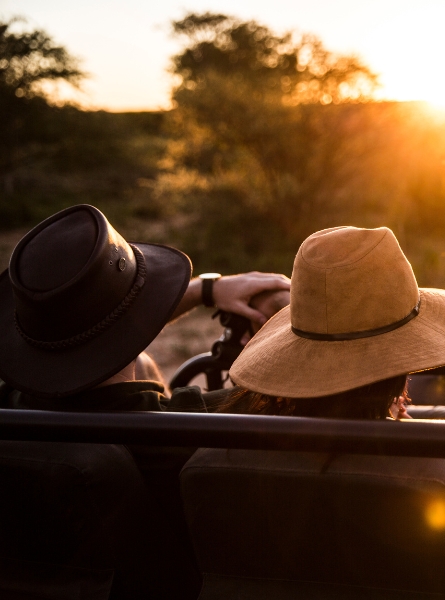
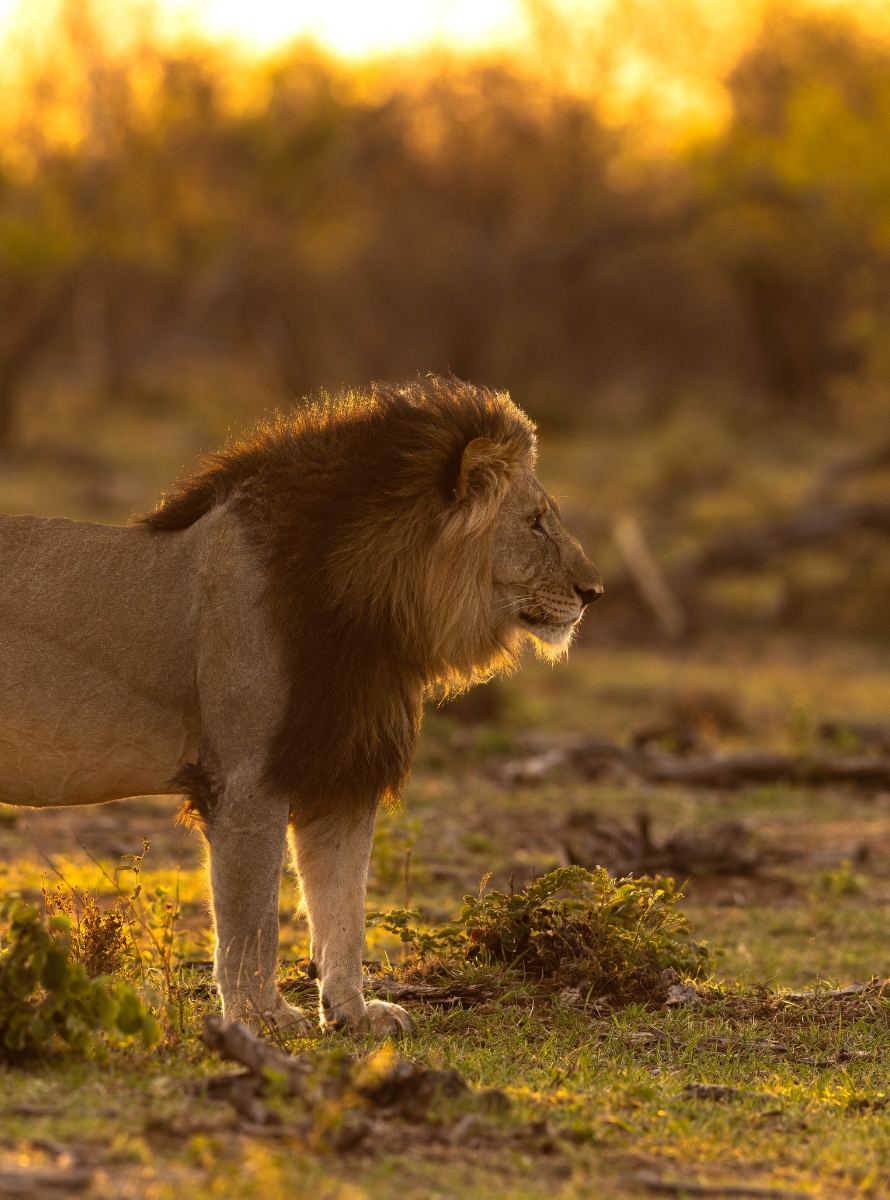
On safari, luxury can mean taking the time to watch a family of elephants without being surrounded by other vehicles.
It can also lie in the expertise of a guide who knows the reserve inside out and can explain animal behaviour in simple words.
In a lodge, it can take the form of discreet attention, a dinner in a secluded spot or a room opening onto an unspoiled landscape.
This vision of luxury sits naturally alongside a more conscious way of travelling.
How do you combine comfort, exclusivity and a responsible approach?
You have to look beyond the setting and pay attention to how the trip is organised. The choice of accommodation, activities, guides and the pace of the stay makes all the difference.
A more responsible trip does not rest on a single good action.
Choosing a lodge that limits plastic is positive. But you also need to look at how it manages water, how it works with its teams and whether local businesses genuinely benefit from its activity.
The travel agency also plays an important role. It selects the accommodation, the transport operators, the guides and the activities. It can therefore build a more coherent itinerary, for example by avoiding too many stops or experiences that do not respect wildlife.
Why is no trip entirely sustainable?
Because every trip has an impact. Transport consumes energy, hotels use water and tourist activities can disturb the places visited.
The aim is therefore not to present a stay as perfect or entirely green.
A responsible approach means acknowledging these impacts, reducing them where possible and supporting businesses that genuinely seek to improve.
That is also why we prefer to talk about a “more responsible” trip rather than a fully sustainable one.
This nuance matters. It keeps things transparent and avoids easy promises.
What is a high-end responsible trip?
It is a trip that combines quality services with a more careful selection of partners. Comfort is still there, but every stage is designed with more coherence.
This can mean:
- staying in a lodge with a clear commitment;
- choosing safaris led by experienced guides;
- favouring activities that respect wildlife;
- working with local operators;
- spending more time in each region rather than rushing from stop to stop.
Luxury does not disappear. It becomes more subtle, more personal and often closer to the destination.
What can high-end lodges do in practice?
A lodge can act on several fronts: water and energy consumption, waste, working conditions, local purchasing and nature protection.
Not every property goes equally far.
Some have put a structured approach in place and track their progress over time. Others settle for a few visible actions, such as replacing plastic bottles or installing solar panels.
These initiatives are positive, but they are not always enough to prove an overall commitment.
What counts is the coherence of the whole and the lodge’s ability to explain clearly what it does. Our reading criteria are set out in our article on the lodge committed to sustainable tourism.
How can a lodge protect nature?
It can take part in habitat protection, support conservation programmes or limit the disturbance caused by tourist activities.
In a reserve, this can mean monitoring certain species, restoring natural areas or fighting poaching.
In other regions the priorities may differ. A lodge near the coast will not face the same issues as a property in the bush.
It is therefore important to check whether the actions announced genuinely match the territory.
A lodge can also pay part of its revenue to a conservation programme. In that case, it is useful to know what the money is for and which results are tracked.
How can lodges manage water and energy better?
They can start by measuring their consumption, then put in place solutions suited to their environment.
This can take several forms: water harvesting, less energy-hungry equipment, less single-use plastic or better waste sorting.
A solar panel or a reusable bottle, however, does not sum up an entire policy.
A serious approach is built over time. It also involves the teams and rests on concrete objectives.
In some regions of South Africa, water management matters particularly. A property can then adapt its installations and inform travellers without making their stay restrictive.
How can local communities benefit from tourism?
Local benefits come first through employment, training and purchasing from nearby businesses. They can also take the form of partnerships built with neighbouring communities.
A lodge can recruit in the region, support its staff as they progress or work with local craftspeople and producers.
These actions often have more impact than a one-off charitable project.
The key is to build a lasting and balanced relationship. The people concerned must also be able to take part in decisions and express their needs.
For the traveller, these commitments are not always visible at first glance. An agency that knows its partners well can therefore shed valuable light on them.
Is a small lodge necessarily more responsible?
No. A small capacity can offer more privacy, but it does not guarantee better practices.
A small lodge can use a lot of water or energy per guest.
Conversely, a larger property may have efficient systems, specialist teams and a very structured policy.
Size alone is therefore not enough.
What matters most is the choices made day to day: resource management, local employment, purchasing, the activities offered and the work done to preserve nature.
Can you enjoy a responsible luxury safari in South Africa?
Yes, provided you choose a reserve and guides who put respect for wildlife at the centre of the experience.
A high-end safari does not depend only on the comfort of the vehicle or the standard of the lodge.
How sightings are managed matters just as much.
A serious reserve limits the pressure around animals. Guides keep their distance, avoid blocking their path and do not try to provoke a reaction to please visitors.
A good guide also takes the time to share knowledge. They explain what the animals are doing, why they behave that way and how their environment works.
To go further, read our article on choosing a responsible safari and a committed reserve.
Why do some reserves limit the number of vehicles?
Because too many vehicles can disturb the animals and make the sighting less enjoyable.
In some private reserves, guides communicate with each other to avoid too many vehicles gathering in the same place.
This arrangement makes for a calmer moment and time to observe.
It also gives the animals more protection, since they must always be able to move freely.
Exclusivity can therefore make sense when it improves both the traveller’s experience and respect for wildlife.
Is a private safari always more responsible?
No. A private vehicle offers more freedom, but it does not guarantee that the rules are better respected.
It all depends on the guide and on the reserve’s policy.
A private safari can let you stay longer with an animal, set your own pace and ask more questions.
But if the guide gets too close or disturbs the animals to get a better photograph, the experience cannot be considered responsible.
Respect must always come before exclusivity.
How do you recognise a genuinely committed premium lodge?
A committed lodge should be able to explain its actions clearly. It should also show that its approach goes beyond a few gestures visible to guests.
The words “green”, “sustainable” and “responsible” are now widely used.
They do not always mean the same thing.
Before booking, it is therefore worth looking for concrete information. Does the lodge measure its consumption? Does it work with local businesses? Does it train its teams? Does it support a specific conservation project?
The clearer the answers, the easier it is to assess the quality of the approach.
Which criteria should you look at before booking?
Look at resource management, the teams, purchasing, nature and relationships with local communities.
Here are a few useful points:
- water and energy management;
- waste reduction and sorting;
- working conditions and training;
- purchasing from local producers;
- how safaris are run;
- the work done to protect habitats;
- how clearly information is communicated.
A premium lodge in South Africa may also publish a sustainability policy or set out specific objectives.
That helps you understand whether the actions are part of a real approach or simply isolated initiatives.
Is a certification enough to choose a lodge?
No. A certification is a good starting point, but it never tells the whole story.
It shows that a property has been assessed against certain criteria.
However, not every committed lodge is certified. Some small operations apply good practices without having started that process yet.
Conversely, the presence of a label does not remove the need to look at what is actually being done. We set out the scope of each programme in our guide to the sustainable labels Travelife, Fair Trade Tourism and Green Key.
Nothing replaces real knowledge of the ground and of the partners who work there every day.
Why does the choice of travel agency matter?
Because an agency chooses a large share of the businesses involved during the stay.
It selects the accommodation, the guides, the activities and the transport operators.
It also decides the pace of the trip.
An itinerary with many changes of base does not produce the same experience as a calmer stay that leaves time to discover each region.
The agency can also help travellers tell concrete commitments apart from simple marketing arguments.
Why does partner selection make the difference?
Because every partner shapes the experience and the benefits the trip leaves behind.
An excellent lodge is not enough if a nearby activity does not respect wildlife or if the guide lacks professionalism.
You therefore have to look at the stay as a whole.
That takes time, regular contact and genuine local knowledge.
Careful selection makes for experiences that are more coherent, more reliable and often more rewarding.
How does South African Travellers select its partners?
At South African Travellers, certifications are a useful marker, but they are never our only criterion.
Our team is based in Cape Town and knows a large share of the accommodation and experiences we offer at first hand.
We talk with the local teams, visit the properties and follow how they evolve.
Being on the ground helps us understand what lies behind the promises.
Which criteria do we look at?
We look at both the quality of the experience and the coherence of the partner’s commitments.
In particular, we pay attention to:
- the quality of the welcome;
- the professionalism of the guides;
- resource management;
- the work done for nature;
- the place given to local teams;
- relationships with neighbouring communities;
- how transparent the information is;
- the partner’s ability to improve.
We are not looking for perfect properties.
We favour those able to explain their choices, acknowledge their limits and change their practices.
Why do we visit the properties?
Because a visit shows what a brochure or a website does not always reveal.
It lets us see the real quality of the welcome, discover the activities and talk directly with the teams.
These visits do not replace a formal audit. They do give us a more concrete view of the experience on offer.
Feedback from our travellers adds to that knowledge.
Our South African highlights itinerary illustrates this approach, built on the quality of each stage and on knowledge of the ground.
How was this guide put together?
This guide draws on our team’s experience in South Africa and on recognised sources in the field of responsible tourism.
Our team lives and works on the spot.
They are in regular contact with lodges, guides and activity operators.
That experience puts commitments in context. The priorities of a lodge in a reserve are not those of a hotel in Cape Town or of a property in a region where water is scarce.
We also consulted specialist organisations to check the main principles presented in this article.
What are the reference sources?
The sources used help to understand the environmental, social and economic stakes of responsible tourism.
The main references are:
- Travelife;
- Fair Trade Tourism;
- the Global Sustainable Tourism Council;
- SANParks;
- information provided by the properties and partners concerned.
The reliability of this guide rests on that twofold approach: information from recognised organisations and concrete knowledge of the ground.
Frequently asked questions about responsible luxury travel
Can a luxury lodge really be responsible?
Yes. The level of comfort does not stop a property from managing its resources better, supporting local employment or taking part in nature protection.
You do, however, need to check the concrete actions in place.
Does a more responsible trip always cost more?
Not always. The price depends mostly on the season, the level of service, the location and the experiences chosen.
Some approaches require significant investment.
Other choices, such as staying longer in each region or working with local businesses, do not necessarily create a large extra cost.
Should you choose only certified lodges?
No. A certification is useful, but it is only one criterion among others.
Some committed properties do not have a label yet.
It is therefore better to look also at their actions, their transparency and the feedback available.
How do you respect animals during a safari?
Follow the guide’s instructions, keep your distance and never try to attract or feed the animals.
A good reserve also limits the number of vehicles around a sighting.
The guide should take the time to explain what the animals are doing, without disturbing them.
How do you plan a responsible luxury trip to South Africa?
The aim is not to look for a perfect trip, but for a more coherent one.
The choice of accommodation, activities, guides and the pace of the stay makes it possible to combine comfort, discovery and care for the destination.
Luxury and responsibility are not opposites.
They can meet around shared values: quality, time, privacy and respect for the places visited.
Talk to our advisers to design a tailor-made itinerary that suits your level of comfort and the way you like to travel.
👉 To place this approach in a broader context, read our guide to sustainable tourism in South Africa.