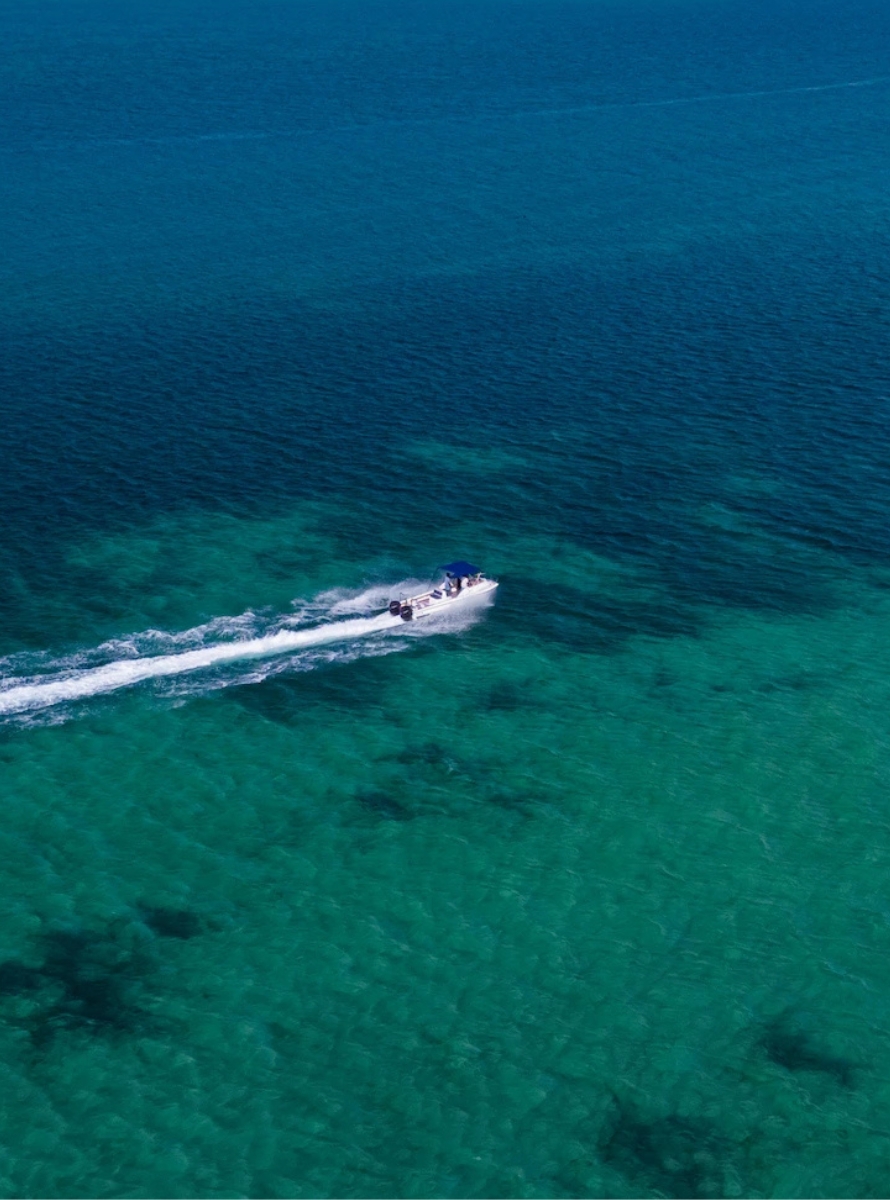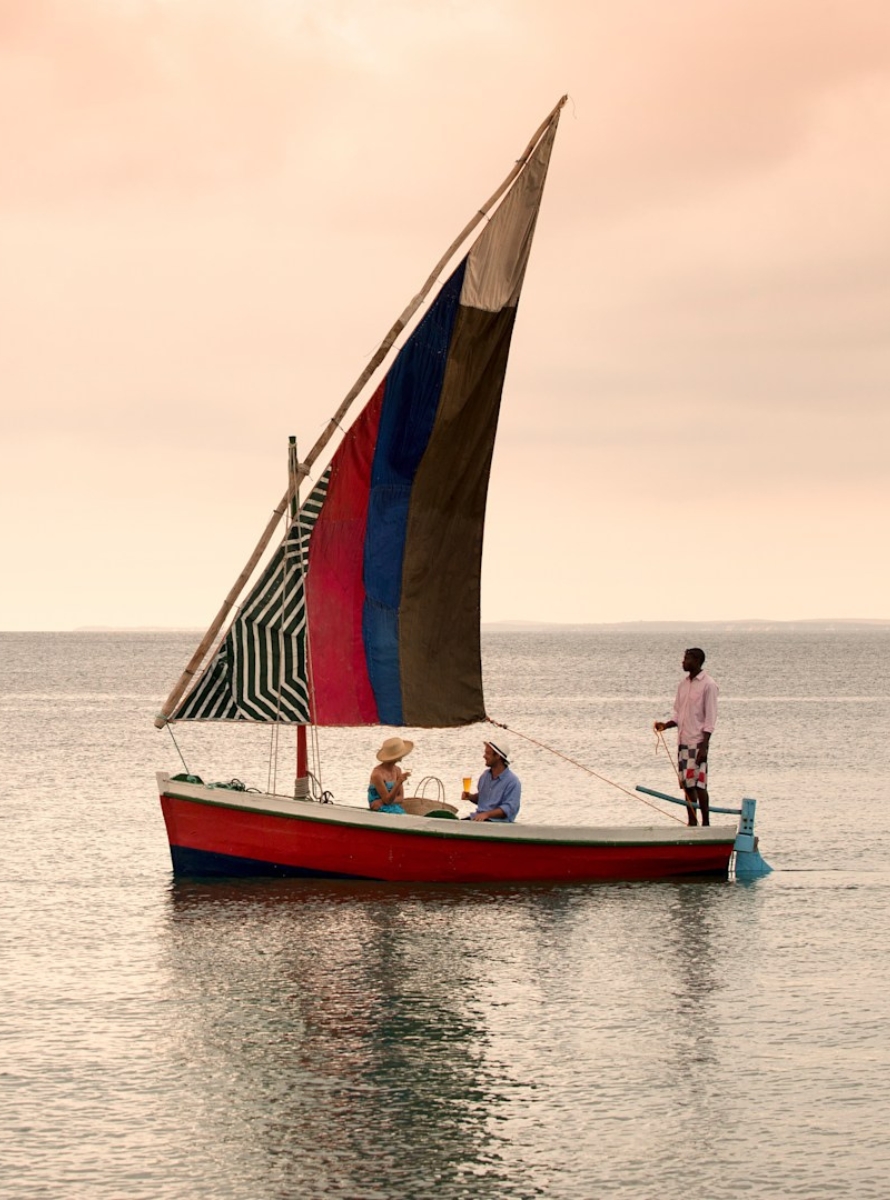
Mozambique instantly brings the Indian Ocean to mind. Pale beaches. Islands surrounded by turquoise water. Days that seem to stretch out with the rhythm of the tides. Yet the country is far more than a beach break.
A trip to Mozambique can also take you to the savannahs of Gorongosa, the underwater world of Inhambane province or the history-laden streets of Mozambique Island. Safari, diving, dhow sailing, cultural discovery: the experiences change profoundly from one region to the next.
This diversity is what gives the destination its charm. It lets you picture a few days by the ocean after a safari just as easily as a fuller journey through several regions of the country.
In short
- For beaches and islands: Vilanculos, Barra and the Bazaruto Archipelago show several sides of the Mozambican coast.
- For marine life: Tofo and Inhambane province are particularly renowned for their underwater world.
- For a safari: Gorongosa National Park reveals another side of Mozambique, between wildlife and conservation.
- For history and culture: Mozambique Island, a UNESCO World Heritage Site since 1991, is a major stop in the north.
- For a complete trip: a 14-day holiday could, for example, combine Vilanculos, Bazaruto, Gorongosa, Barra and Tofo.
- For timing: the dry season, broadly from May to September or October, generally suits many trips, but the ideal period depends on the regions and the experiences you are looking for.
Why travel to Mozambique?
A trip to Mozambique lets you combine beaches, marine life, safari and cultural discovery in a single country. The destination is especially appealing for its contrasts and for the chance to alternate exploration with time to rest.
Its vast coastline opens onto archipelagos, lagoons and long beaches. Inland, the savannah and protected areas offer a radically different atmosphere.
Mozambique is also a destination where the pace of the trip matters. Distances are long and some islands require transfers by boat or by plane. A well-designed itinerary lets you make the most of each region without adding unnecessary travel.
That is exactly the point of a tailor-made trip: finding the right balance between stops, experiences and time to rest.
To explore the different options, take a look at our tailor-made trips to Mozambique.
What to do on a trip to Mozambique?
Diving, sailing through the Bazaruto Archipelago, watching wildlife in Gorongosa or simply enjoying the ocean are among Mozambique’s signature experiences. Each region, however, has its own identity.
What are the most beautiful beaches in Mozambique?
Bazaruto, Benguerra, Barra and Tofo are among the beach destinations worth discovering in Mozambique. From the islands of Bazaruto to the long beaches of Inhambane province, the atmospheres are very different.
Off Vilanculos, the Bazaruto Archipelago brings together five islands within its national park. Bazaruto and Benguerra are among the best known. Dunes, sandbanks and crystal-clear water make up the landscape here.
Further south, Barra and Tofo reveal another side of the coast. The atmosphere is more relaxed and ocean activities take centre stage.
In the north of the country, the landscapes become even more remote. Some areas require more time and more complex logistics, but they offer a genuine sense of isolation.
To find out more, read our guide to the most beautiful beaches and islands in Mozambique.
Where to dive in Mozambique?
Inhambane province and the Bazaruto Archipelago are among the most rewarding regions for exploring Mozambique’s underwater world. Wildlife encounters naturally remain wild and can never be guaranteed.
The coast of Inhambane province is known in particular for manta rays and whale sharks. Tofo is one of the main starting points for exploring this stretch of coastline.
Further north, the Bazaruto Archipelago National Park also protects coral reefs and rich marine biodiversity. Turtles, dolphins and various species of sharks and rays frequent its waters. The park is also home to a population of dugongs, a rare and elusive species.
Scuba diving and snorkelling can therefore fit naturally into a few days of beach holiday.
Find out where to go diving in Mozambique in our dedicated guide.
Where to go on safari in Mozambique?
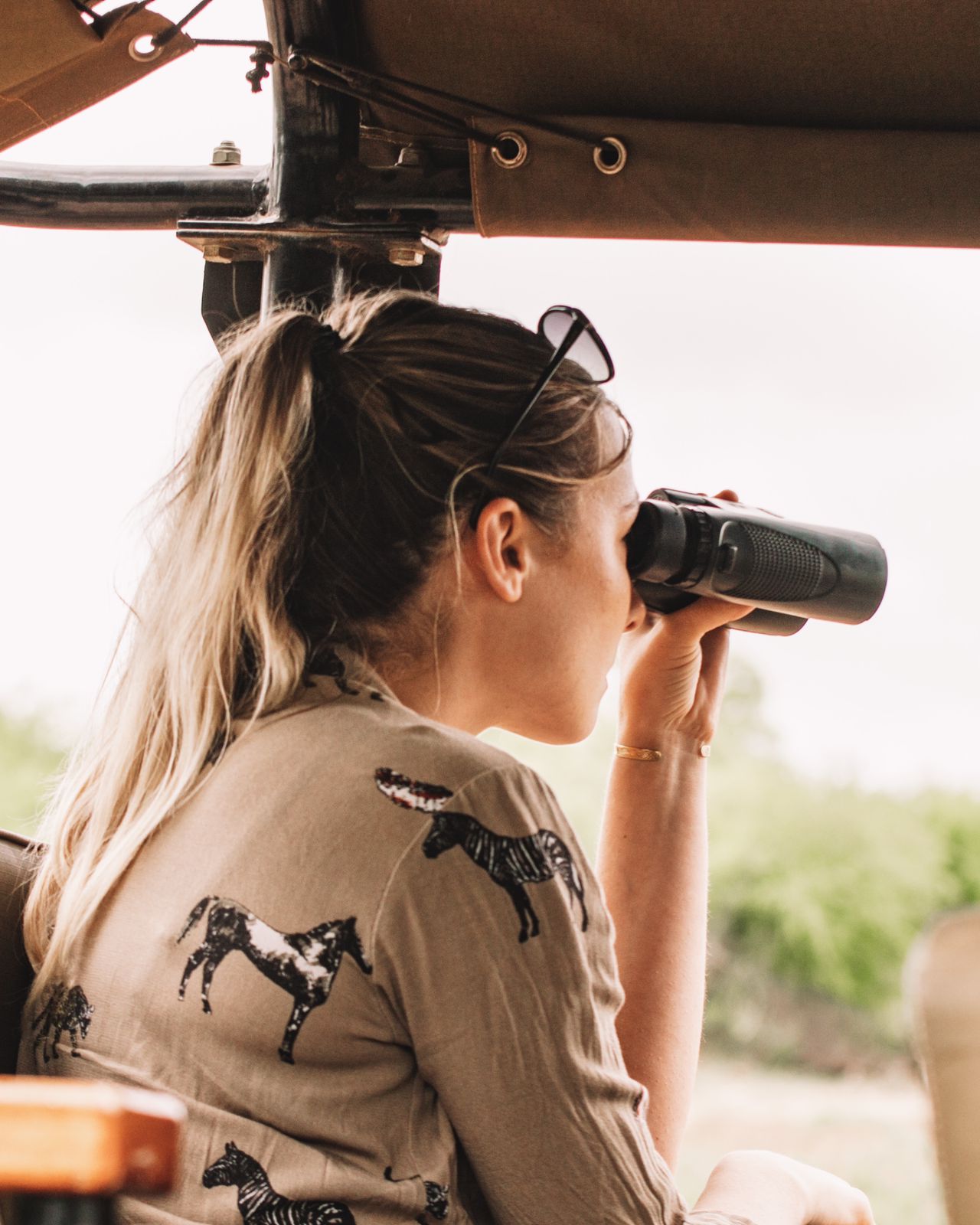
Gorongosa National Park is one of the benchmark places for a safari in Mozambique. Located in the centre of the country, it lets you watch wildlife in an ecosystem that is the focus of major restoration and conservation work.
Mozambique is less instinctively associated with safari than South Africa or Botswana. Yet it has several protected areas in which to discover wildlife.
Gorongosa is the most iconic. The park brings together savannah, floodplains, woodland and wetlands.
Lions, elephants, hippos, antelopes and wild dogs are among the species you may encounter there. After wildlife declined sharply during the Mozambican civil war, a vast restoration project has helped many animal populations gradually return.
The experience differs from that of the large private reserves in South Africa. It will particularly appeal to travellers drawn to wide open spaces, biodiversity and conservation projects.
The contrast is all the more striking when Gorongosa is combined with a few days on the Mozambican coast.
Discover the different ways to organise a safari in Mozambique.
Which landscapes to see in Mozambique?
Mozambique is not just about its beaches: archipelagos, dunes, savannah, wetlands and historic heritage create highly contrasting landscapes. Moving from one region to another reveals several sides of the destination.
Around Bazaruto, the eye wanders over sand dunes, lagoons and sandbanks that appear with the tides.
In Barra, Tofo and across Inhambane province, beaches fringed with tropical vegetation contrast with the villages and the land further inland.
Gorongosa marks a real break. Here the ocean gives way to vast plains, woodland and wilder terrain.
Further north, Mozambique Island adds a cultural dimension. A UNESCO World Heritage Site since 1991, it bears witness to the exchanges that shaped the trade routes of the Indian Ocean. Its heritage reflects African, Swahili, Arab, Indian and European influences.
To discover these different sides of the country, explore Mozambique’s must-see landscapes.
Where to go on a trip to Mozambique?
Vilanculos, Bazaruto, Barra, Tofo, Gorongosa and Mozambique Island offer very different experiences. Their appeal lies precisely in the chance to build a trip in which ocean, wildlife and cultural discovery complement one another.
What to discover in Vilanculos?
Vilanculos is one of the main gateways to the Bazaruto Archipelago. It is an ideal stop for discovering this part of the coast.
People come here to enjoy the ocean, head out by boat to the islands or simply slow down for a few days.
Its location naturally makes it one of the stops we can include in a trip around Bazaruto.
Why discover the Bazaruto Archipelago?
Bazaruto appeals to travellers looking for island landscapes, tranquillity and ocean experiences. Its national park covers five islands and protects remarkable marine biodiversity.
Days can alternate between snorkelling, diving, boat trips and time to relax.
Dunes, beaches and turquoise water give the archipelago an identity very different from the rest of the country.
Why stop in Barra?
Barra offers a beach interlude on the coast of Inhambane province. Its long beaches and its proximity to Tofo make it easy to combine relaxation and marine activities in the same region.
This stop fits particularly well into a trip that gradually heads south after Vilanculos and Bazaruto.
What to discover in Tofo?
Tofo is especially popular for diving, snorkelling and outings devoted to marine life. Its atmosphere is more relaxed than that of the Bazaruto islands.
The Inhambane region is also important for research into, and conservation of, manta rays and whale sharks.
It is a stop that adds yet another dimension to a trip along the Mozambican coast.
Why include Gorongosa in a trip to Mozambique?
Gorongosa offers a safari experience without leaving Mozambique. The park also stands out for the scale of its ecological restoration project.
After several days by the ocean, the change of scenery is spectacular.
Beyond watching wildlife, Gorongosa is a chance to understand what is at stake in conserving and restoring African ecosystems.
Why visit Mozambique Island?
Mozambique Island brings a historical and cultural dimension to the trip. A UNESCO World Heritage Site, it bears witness to several centuries of exchange across the Indian Ocean.
A former trading crossroads, it has kept a remarkable architectural heritage. Its buildings and neighbourhoods reflect the meeting of several cultures over the centuries.
It is a stop worth considering for a more in-depth trip to the north of the country.
What could a 14-day trip to Mozambique look like?
Two weeks allow you to combine several sides of Mozambique while keeping a pleasant pace. South African Travellers could, for example, design a trip around Vilanculos, Bazaruto, Gorongosa, Barra and Tofo.
The holiday could start in Vilanculos, facing the Indian Ocean, before moving on to the Bazaruto Archipelago for a few days of beaches, sailing and marine activities.
The trip then changes scenery completely in Gorongosa. Seascapes give way to savannah and safaris, in one of the country’s most iconic ecological restoration projects.
The final part of the holiday could head to Inhambane province, with Barra and Tofo. The atmosphere becomes more relaxed, with long beaches, diving, snorkelling and trips out to sea.
This itinerary is only an example. The number of nights, the order of the stops, the accommodation and the experiences are adapted to each project by our travel designers.
Discover our 14-day holiday in Mozambique as well.
To choose the stops for your own itinerary, read our guide to planning a Mozambique tour.
Can you combine safari and beach in Mozambique?
Yes. Mozambique lends itself particularly well to combining a safari with a beach stay. You can enjoy both experiences within the country, or pair a safari in South Africa with a few days on the Mozambican coast.
The contrast is immediate. After the tracks and early-morning game drives come the beaches, the trips out to sea and the slower days.
Gorongosa can therefore be combined with Bazaruto, Barra or Tofo.
Another option is to go on safari in South Africa before travelling on to Mozambique. This combination extends the African experience in a completely different atmosphere.
It is particularly well suited to a honeymoon, but also to couples and families who want to discover several sides of Southern Africa in the same trip.
Where to stay in Mozambique?
Mozambique offers very different accommodation depending on the region: characterful lodges, upmarket properties and more secluded island retreats. The choice of accommodation plays a full part in the atmosphere of the trip.
On some islands, getting there is already part of the experience and may require a transfer by boat or by plane.
Luxury takes a particular form here. It often rests more on space, tranquillity and the beauty of the setting than on an accumulation of services.
Lunch facing the ocean. A dhow trip at sunset. A beach still empty in the early morning. It is often these simple moments that give the holiday its character.
For added comfort and simplicity, some properties also offer packages that include meals and some of the activities.
How does South African Travellers select its partners in Mozambique?
Above all, we look for partners who fit naturally into the experience designed for each traveller. The level of luxury matters, but location, quality of service, setting and consistency with the rest of the trip are just as important.
Our knowledge of Southern Africa allows us to consider each property within the overall context of the holiday.
A beautiful property is not enough to create a beautiful trip. It must also match the pace you want, the experiences you are looking for and the travel constraints specific to Mozambique.
We therefore pay particular attention to the property’s location, its setting, the level of service, the experiences on offer and how well it fits with the holiday as a whole.
This selection allows us to offer trips in which every stop finds its natural place.
When to go to Mozambique?
The dry season, generally between May and September or October, is often the preferred time to travel to Mozambique. The ideal period does, however, depend on the regions you visit and the experiences you are looking for.
Mozambique has a tropical climate with two main seasons.
The wet season falls mainly between October and April. Rainfall is generally heavier in the north than in the south, and tropical storms can occur during this season.
This does not mean that only one period is possible.
A beach stay, a safari and a diving trip do not necessarily call for the same seasonal conditions.
When designing the trip, our travel designers therefore take into account the regions you have in mind, the activities you want and your available dates in order to suggest the most coherent holiday possible.
How many days should you plan for a trip to Mozambique?
Around ten days is already enough to discover several atmospheres, while two weeks give you more freedom to combine the coast and a safari. Mozambique can also be a beach extension of a few nights after a safari in a neighbouring country.
A 14-day trip could, for example, combine Vilanculos, Bazaruto, Gorongosa, Barra and Tofo.
The advantage of such a length of stay is that it leaves enough time in each region. In Mozambique, the pace is part of the journey.
Rather than piling up stops, our itineraries favour a balance between discovery, travel and time to relax.
How much does a trip to Mozambique cost?
The budget for a trip to Mozambique depends mainly on the level of accommodation, internal flights and the regions you choose. For an upmarket tailor-made trip combining beaches, islands and safari, you should generally allow several thousand euros per person.
Stays on the islands of the Bazaruto Archipelago or in remote lodges can quickly increase the budget, particularly because of transfers by light aircraft, boat or helicopter. By way of comparison, some upmarket itineraries combining Gorongosa and Bazaruto are currently offered at around USD 9,000 to 10,000 per person for about ten days, based on a double room.
The season, the category of accommodation, the length of stay and the activities included also have a significant influence on the final price. At South African Travellers, as every itinerary is tailor-made, the budget is adapted to the traveller’s priorities: more nights on an island, a safari in Gorongosa, diving, private transfers or an extension after a trip to South Africa.
Why choose a tailor-made trip to Mozambique?
The distances, the transfers and the diversity of the regions make a tailor-made approach particularly relevant in Mozambique. The aim is to create a smooth trip in which the different stops flow naturally without sacrificing time on the ground.
Some islands are reached by boat or by air transfer. Infrastructure and transport options also vary from region to region.
Each project therefore has to take several factors into account: length of stay, season, transfer times, level of comfort and the experiences you are looking for.
This is where our knowledge of the destination really comes into its own.
Since 2007, South African Travellers has been designing tailor-made trips across Southern Africa. Our travel designers select the stops, accommodation and experiences to suit each project.
How was this guide to Mozambique’s beaches put together?
This guide combines our knowledge of Mozambique with sources covering the coast, the islands, marine protected areas and the country’s biodiversity. The aim is to present the beaches not only by their beauty, but also by their location, accessibility, natural environment and the kind of experience they offer.
South African Travellers has been designing tailor-made trips in Southern Africa since 2007. For this article, we draw in particular on our knowledge of Vilanculos, the Bazaruto Archipelago, Tofo, Barra and Inhambane province, as well as on the realities of travelling between these regions.
Information on marine ecosystems, protected areas, seasons and marine wildlife is supplemented and checked against specialist institutional and scientific sources.
Which reference sources were used?
The main sources used to document and check this article include:
- ANAC (Administração Nacional das Áreas de Conservação), for the Bazaruto Archipelago National Park and the protection of its ecosystems;
- Visit Mozambique / INATUR, for tourist and geographical information on the Mozambican coast;
- Marine Megafauna Foundation, for its work on manta rays, whale sharks and other marine species found around Tofo and Inhambane in particular;
- UNESCO, where coastal or island heritage is discussed.
This combination of first-hand experience of the destination and recognised sources makes it possible to offer content that is inspiring, well documented and useful.
FAQ: frequently asked questions about a trip to Mozambique
What is the best time to travel to Mozambique?
The dry season, generally from May to September or October, is often preferred. The ideal period does, however, vary depending on the regions and the experiences you want. Our travel designers can advise you based on your plans and your dates.
How many days should you plan to discover Mozambique?
Around ten days is already enough to discover several sides of the country, while two weeks give you more options. A 14-day trip could, for example, combine Vilanculos, Bazaruto, Gorongosa, Barra and Tofo.
Can you go on safari in Mozambique?
Yes. Gorongosa National Park makes it possible to include a genuine safari experience in a trip to Mozambique. It offers a particularly interesting contrast with the landscapes of the Indian Ocean.
Can you combine safari and beaches in Mozambique?
Yes. It is even one of the most appealing combinations the destination offers. Gorongosa can be combined with Bazaruto, Barra or Tofo. You can also go on safari in South Africa before travelling on to Mozambique.
Is Mozambique suitable for a honeymoon?
Yes. The islands, the beaches, the secluded accommodation and the chance to combine safari and ocean make it a particularly appealing honeymoon destination. Each holiday can be tailored to the level of comfort and the pace you are looking for.
Can you travel to Mozambique as a family?
Yes, some regions and experiences can fit very well into a family trip. The choice of stops, accommodation and transfers should, however, be adapted to the children’s ages and the pace you want.
Can you combine South Africa and Mozambique?
Yes. Combining South Africa and Mozambique makes it possible to pair a safari with a few days on the shores of the Indian Ocean. South African Travellers regularly designs tailor-made trips that combine several Southern African destinations.
How to create your trip to Mozambique with South African Travellers?
Diving off Tofo. Reaching an island in the Bazaruto Archipelago. Discovering the landscapes of Barra. Watching wildlife in Gorongosa. Or simply extending a safari with a few days facing the Indian Ocean.
There is no single way to experience a trip to Mozambique.
Our travel designers create personalised itineraries by selecting the regions, accommodation and experiences that match your wishes, your pace and the season.
Discover our trip ideas for Mozambique or contact us to design your next tailor-made trip to Southern Africa.