Seeing the Big Five in South Africa is one of the great safari dreams. Yet the experience varies enormously from one trip to another. You can cover mile after mile and spot very little. Or you can witness long, calm, almost intimate scenes where time seems to stand still.
The difference rarely comes down to luck. It mostly depends on the territory you choose, the time of year and the quality of guidance. A successful Big Five safari is one that is carefully planned. It is then lived with attention, patience and a genuine reading of the landscape. With a few simple pointers, sightings become more regular and, above all, more memorable.
Big Five in South Africa: what does the term really mean?
The Big Five animals and the origin of the name
The Big Five refers to five species: the lion, the leopard, the elephant, the rhinoceros and the buffalo. Historically, the expression comes from hunting. It grouped together the animals considered the most difficult and dangerous to approach on foot. Today, the term has become part of the safari vocabulary. It symbolises, above all, the most iconic encounters.
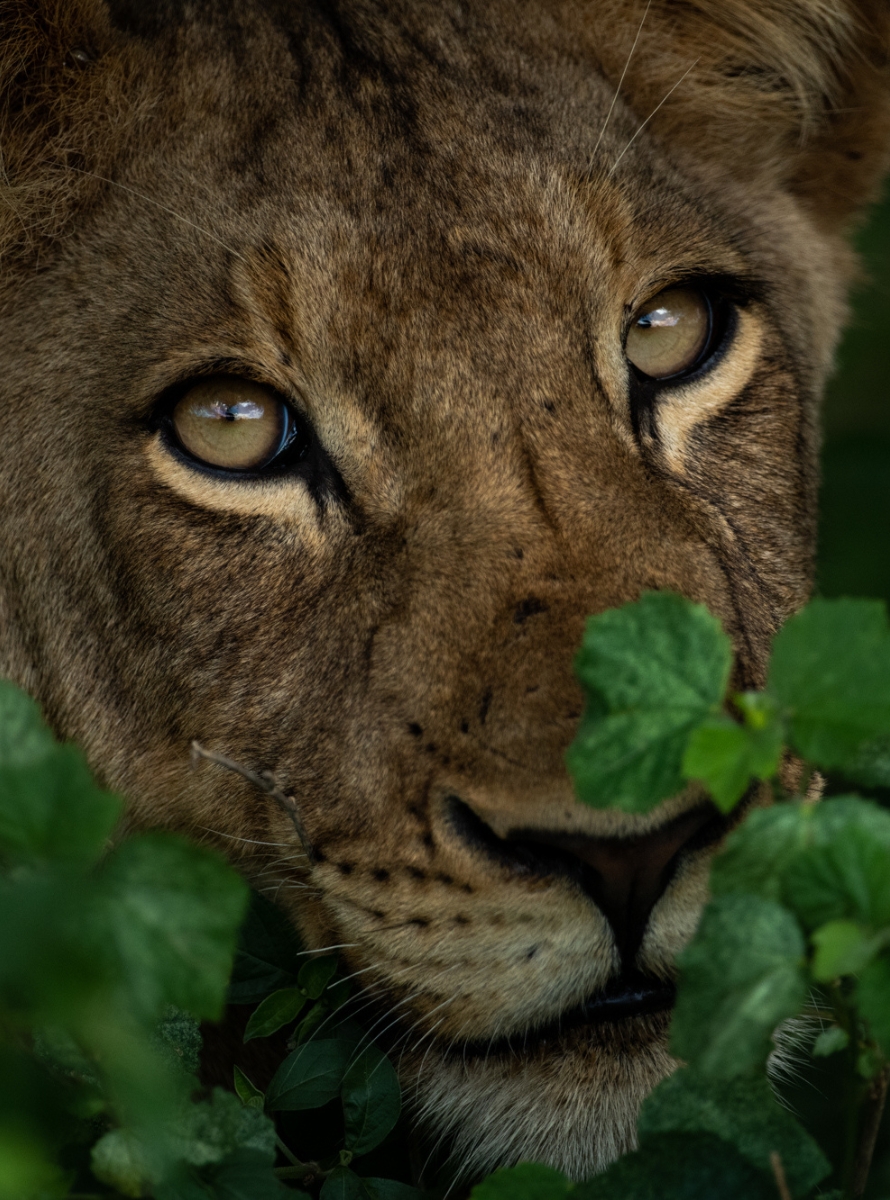
Each species has its own habits. Lions spend much of the day resting. Leopards are discreet and favour wooded areas. Elephants can cover long distances, depending on water and food availability. Buffalo often move in herds and can sometimes be unpredictable. Rhinoceros are rarer in certain areas and require a carefully chosen sector.
Why sightings are never “guaranteed”
Even in the best regions, nothing is automatic. Safari remains a wild experience. Vegetation, weather, water availability and human activity all influence animal movements. Some animals are more visible in the dry season. Others hide when the bush is dense.
The goal, then, is not to “tick off” the Big Five. It is rather to maximise the probabilities, while maintaining a respectful approach.
Where to go on a Big Five safari in South Africa?
Big Five safari in Kruger National Park: a proven choice
Kruger National Park and its surrounding regions are widely regarded as the benchmark for Big Five sightings. The territory is vast, the habitats varied and the biodiversity remarkable. Encounters can be very frequent, especially when the itinerary is well designed.
To get a feel for the atmosphere, the practical tips and the real rhythm of a stay, the Kruger National Park travel guide makes for essential reading.
Private reserve or national park: which experience to choose?
The difference lies mainly in the level of guidance and the density of vehicles. In the national park, you drive on roads open to everyone. Sightings depend largely on your experience, your patience and the luck of the draw.
In a private reserve, game drives are guided. Vehicles are regulated and guides communicate with one another. Scenes can last longer. The experience is often smoother, particularly for spotting the more elusive animals, such as the leopard.
To understand the nuances and make an informed choice, the article on private reserve versus national park explains clearly what changes on the ground.
Big Five safari: our insider tips to maximise sightings
Choosing the right season for your expectations
The dry season, generally from May to October, often makes sightings easier. The vegetation is lower. Animals gather more closely around waterholes. Visibility is better. It is also the most popular period.
The green season, from November to March, offers lusher landscapes and superb light. You also see more births and birdlife. On the other hand, the bush is denser. Some animals are harder to spot, though this does not diminish the appeal of the safari.
Understanding the rhythm of a safari day
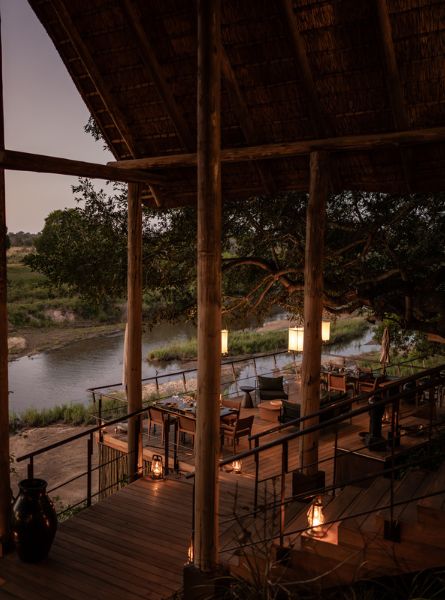
A safari starts early. Departure is at dawn, when the air is cool and animal activity is at its peak. Midday is often quieter. The heat slows movement. This pause allows you to rest and enjoy the lodge.
In the late afternoon, the savannah comes alive again. The light softens. Encounters resume and the drive can extend into the night, depending on the setting.
The role of the guide: the real difference
A guide does not “find” animals by chance. They read a territory. They interpret tracks, notice a change in behaviour, listen to the alarm calls of certain birds. They also know when not to push further, to preserve the scene and the animal.
This is often what makes a safari richer. You do not just see. You understand.
Which Big Five safari to choose based on your profile?
First safari: prioritise guidance and comfort
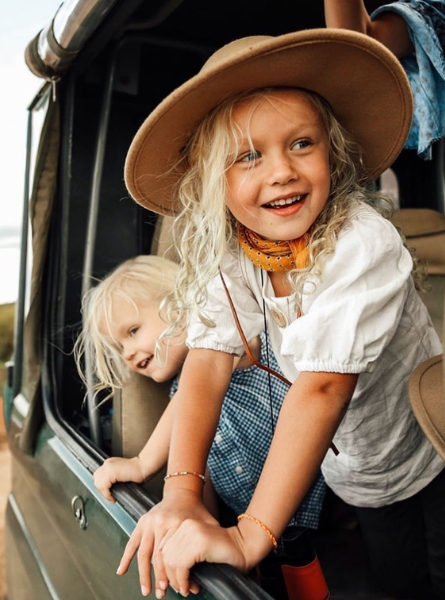
For a first experience, a well-balanced itinerary helps you enjoy the trip without fatigue. The safari becomes simpler, more gradual and more enjoyable. A trip such as the family itinerary in South Africa allows you to combine discovery with a smooth pace, while still offering excellent wildlife viewing.
Combined safari: adding a grand highlight to the journey
Many travellers wish to pair their safari with other highlights. Victoria Falls is one of them. The contrast between savannah and a great natural spectacle is striking. The South Africa and Victoria Falls itinerary is designed precisely for this desire for a complete journey.
To explore all the regions and build a coherent route, the South Africa destination page is the ideal starting point.
Common mistakes that reduce your chances of sightings
Wanting to see everything too quickly is the most common mistake. You change zones, drive too much and tire yourself out. You then miss the scenes that unfold over time. A stay that is too short can also limit your chances, especially for the leopard, which tends to be more elusive.
Finally, choosing solely on price can steer you towards areas less suited to your travel period. The best safari is rarely the one that promises “everything”. It is the one that is coherent.
A Big Five safari is planned first, then savoured
Observing the Big Five in South Africa is not a race. It is an experience that rewards good timing, the right territory and quality guidance. When these elements come together, encounters become natural, intense and unforgettable.
If you would like to go further, you can explore the South African Travellers itineraries or request a tailor-made trip, to choose the best areas for your season, your pace and your preferences.