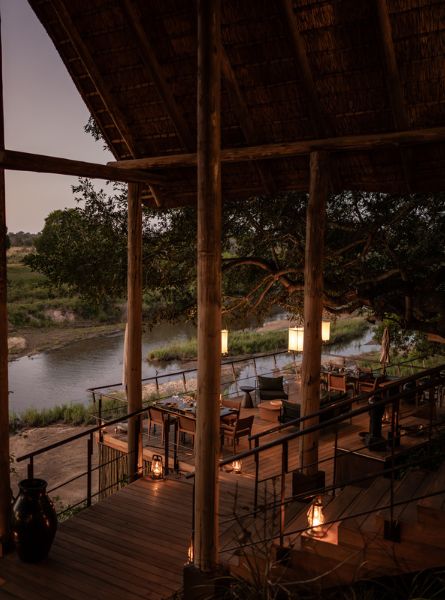
Introduction: into the heart of the elephant kingdom
Picture a golden morning, as light skims across the savannah and mist slowly rises from the hills of the Eastern Cape. In the distance, an elephant makes its way toward a waterhole, followed by a small herd — the scene is peaceful, almost suspended in time. You are at Addo Elephant Park, one of the most fascinating sanctuaries in South Africa.
Established in 1931 to protect the last 11 elephants in the region, the park is now home to nearly 800, roaming across more than 180,000 hectares of pristine wilderness. Everything here speaks to a remarkable conservation success story and the promise of an authentic, elegant and accessible safari, just a short drive from the city of Gqeberha (Port Elizabeth).
Where is Addo Elephant Park?
Between savannah, mountains and the Indian Ocean
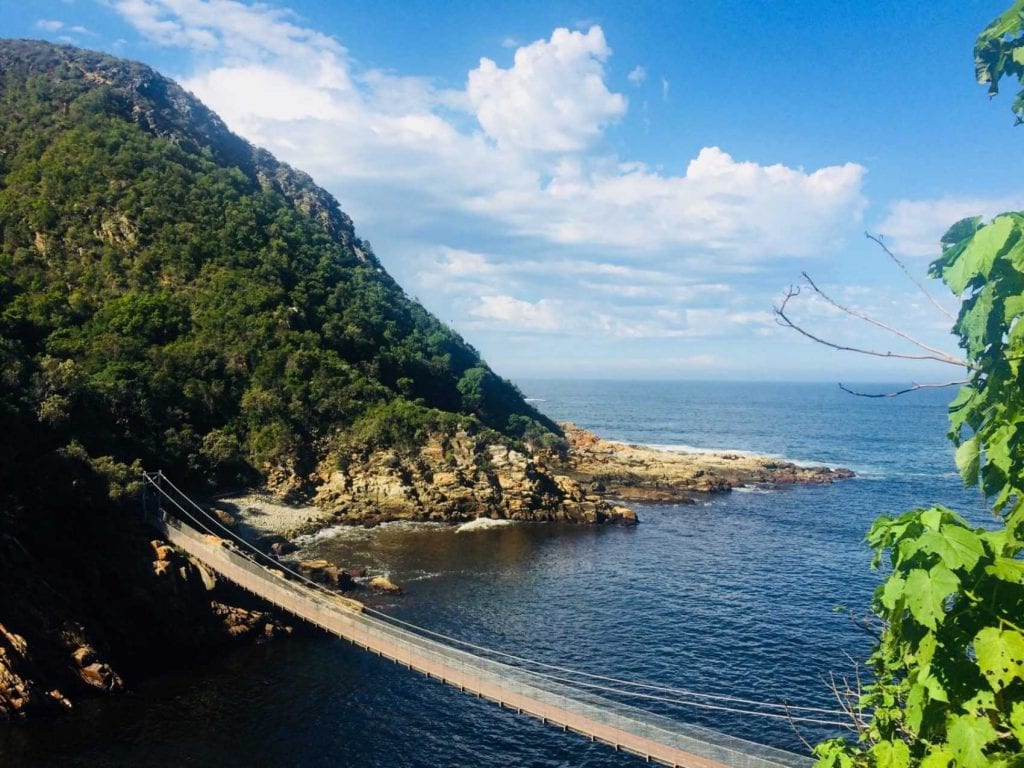
About an hour’s drive from Port Elizabeth, Addo Elephant National Park stretches from the Darlington Dam in the semi-arid Karoo to the wild beaches along the Indian Ocean. This diversity makes Addo a unique ecosystem, where every turn reveals a different landscape — dense forests, arid plains, lush green hills and golden dunes.

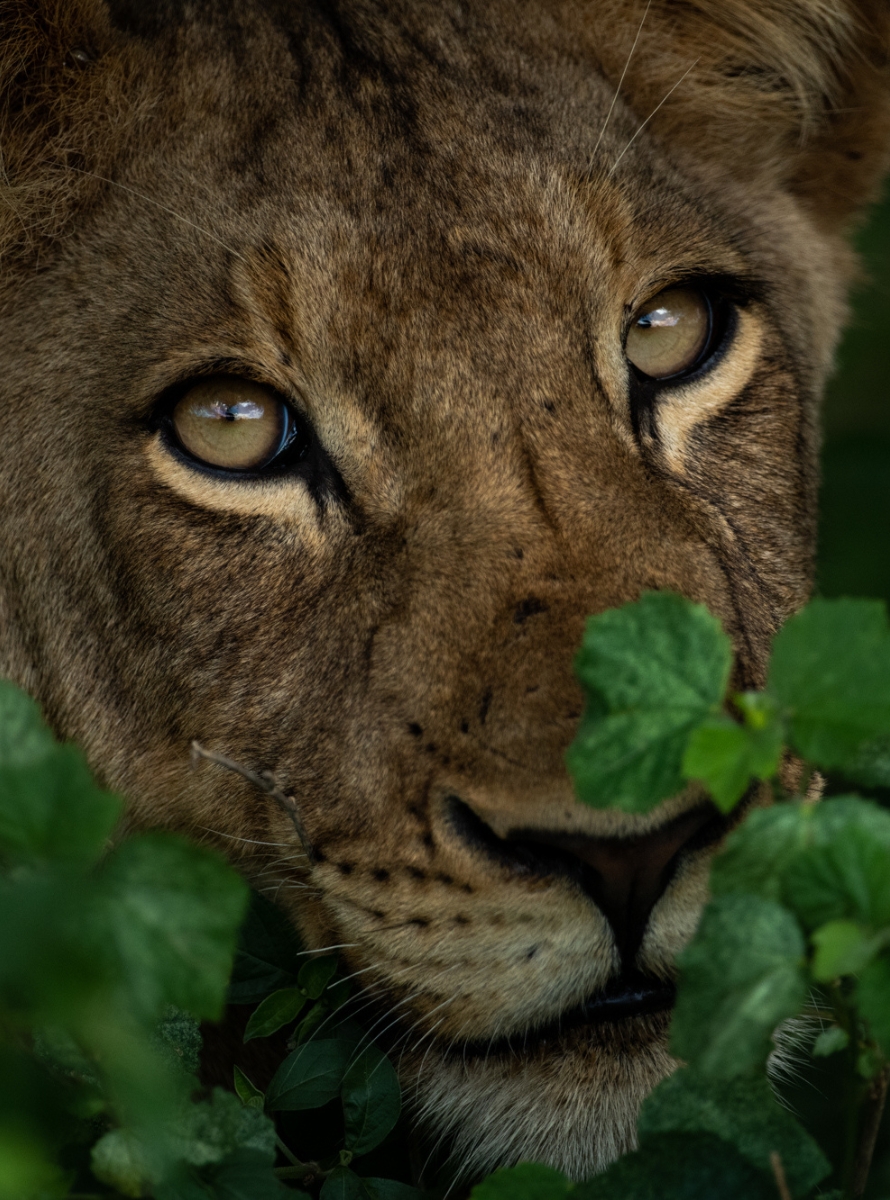
This richness attracts not only elephants, but also buffalo, zebra, lions, rhinos and leopards. Addo is one of the few reserves in the world to offer the Big 7 experience, combining the terrestrial Big 5 with southern right whales and great white sharks visible off its marine coast.
To explore the region more broadly, discover our South Africa destination page.
Why visit Addo Elephant Park?
An exceptional Big 7 safari
Addo offers the luxury of space and diversity. In a single day, you can cross completely contrasting landscapes, spot an elephant around an acacia tree, then watch whales dancing off the coast. It is a place where African nature unfolds in all its grandeur, without crowds or contrivance.

A malaria-free experience, ideal for families
Located in a malaria-free zone, Addo Elephant Park is a top destination for family travel. The roads are safe, well-maintained, and the accommodation is family-friendly. Here, children discover African wildlife in the best possible conditions: safety, comfort and wonder guaranteed.
To extend this experience, explore our South Africa highlights itinerary, designed to combine adventure and serenity.
The perfect finale to a Garden Route journey
Addo sits at the eastern end of the Garden Route, the panoramic road linking Cape Town to Port Elizabeth. After the lagoons of Knysna, the forests of Tsitsikamma and the cliffs of Hermanus, the park marks the crowning moment of the trip: an unforgettable safari to close out South Africa’s most iconic road.
Lovers of sweeping views can also discover our Motorbike Garden Route road trip, a blend of freedom and spectacular scenery.
How to explore Addo Elephant Park?
Self-drive: freedom at your own pace
Self-driving is a hugely popular way to experience Addo. You travel at your leisure on well-marked tracks, with the chance to stop at iconic waterholes — Hapoor Dam, Carol’s Rest, Domkrag or Rooidam — where the animals gather. Conservation fees are set at around R492 per international adult (check for seasonal variations).
With a local guide: authenticity and expertise
Visitors looking for a deeper understanding of the park can opt for a Hop-on Guide. These community guides join you in your vehicle and share insights on the wildlife, animal behaviour and conservation stories. It is an intimate and personal way to explore Addo.
Guided game drives: comfort and expertise
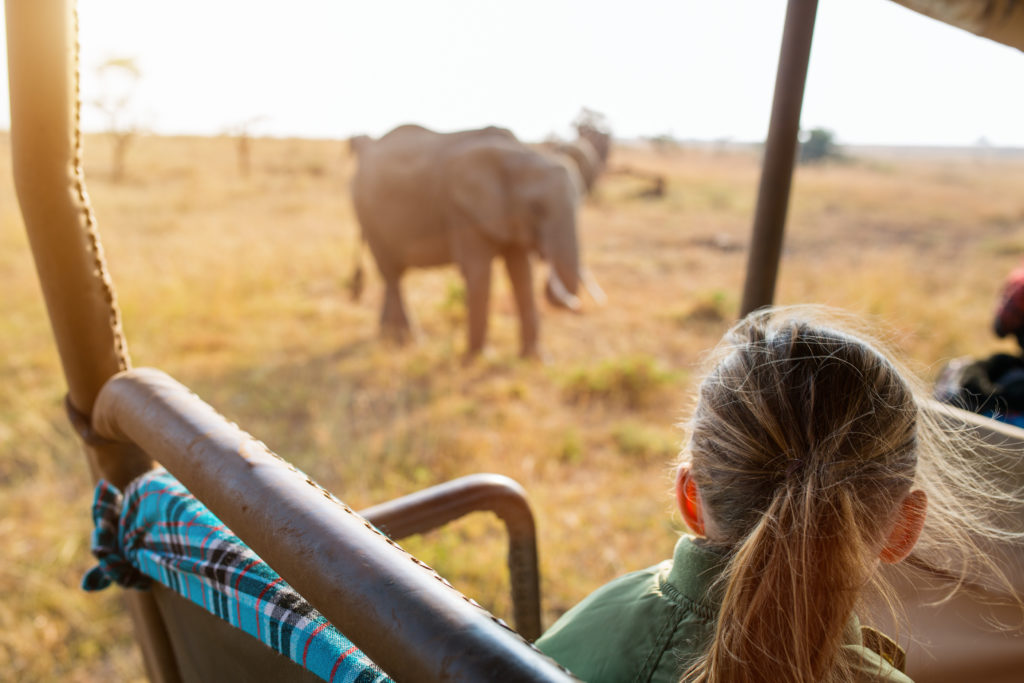
The Main Camp organises guided safaris at various times of day, including night drives to observe wildlife after sunset. These excursions take place in open 4×4 vehicles, perfect for photography and close encounters with elephants.
To enjoy comparable safaris in other parts of Southern Africa, discover our Big 5 Safari experience.
When to visit Addo Elephant Park?
Southern summer (November to April): heat and life around the waterholes
This is the brightest season, ideal for photography enthusiasts. Elephants gather in their dozens at the waterholes, offering striking scenes: water play, dust baths and group hierarchies on display.
Southern winter (May to September): cooler weather and optimal viewing
Milder temperatures encourage predator activity and produce sublime light at dawn. Addo can be visited year-round, but each season reveals a different side: intensity in summer, serenity in winter.
How to get there?
From Gqeberha (Port Elizabeth), allow 45 to 70 kilometres depending on which entrance you choose (Matyholweni or Main Gate). The roads are tarred, well signposted and safe. For those travelling from Cape Town, the 850 km journey fits perfectly into a trip along the Garden Route.
Addo: an elegant and accessible safari
Addo Elephant Park captures the very essence of a South African safari: spectacular wildlife, varied landscapes and modern comfort. It is an essential stop for those seeking a premium safari without the logistical challenges of more remote parks.
At South African Travellers, we design tailor-made itineraries combining Addo with other reserves across the country. Contact South African Travellers to plan your bespoke itinerary, blending safaris, exceptional lodges and cultural discoveries.
Further reading
To extend the experience, discover our Kruger National Park guide. And if you are preparing for your trip, our safari packing list will help you travel light, with everything you need for a journey that is both stylish and practical.