Choosing between a private reserve and Kruger National Park is one of the questions many travellers ask themselves before their first safari in South Africa. Behind that choice lie two complementary models, each playing an essential role in protecting biodiversity.
While private reserves appeal for their more secluded character and small-group safaris, Kruger remains one of the largest protected areas in Africa. Both contribute to wildlife conservation, but through different approaches, management models and sources of funding.
Understanding how they work helps you choose the experience that best matches your expectations, and also gives you a clearer sense of the positive impact tourism can have on preserving ecosystems.
In short
- Kruger National Park and private reserves pursue the same goal: protecting South African biodiversity for the long term.
- Their management model, their funding and the experience offered to travellers all differ.
- Private reserves fund many conservation programmes directly through tourism.
- Kruger protects an immense territory and runs research and anti-poaching work on a large scale.
- The two models are complementary and together contribute to preserving wildlife in South Africa.
Private reserves and Kruger National Park: two complementary models for protecting biodiversity
Contrary to a widespread idea, private reserves and Kruger National Park are not in opposition. They fulfil different missions but pursue a common objective: the lasting preservation of wildlife, natural habitats and the wider ecological balance of South Africa.
How they operate does differ in several respects. Kruger is administered by a public body and protects an immense territory, whereas private reserves rely on independent management, often funded by tourism revenue. These complementary approaches strengthen the protection of biodiversity at different scales.
What role does Kruger National Park play in conservation?
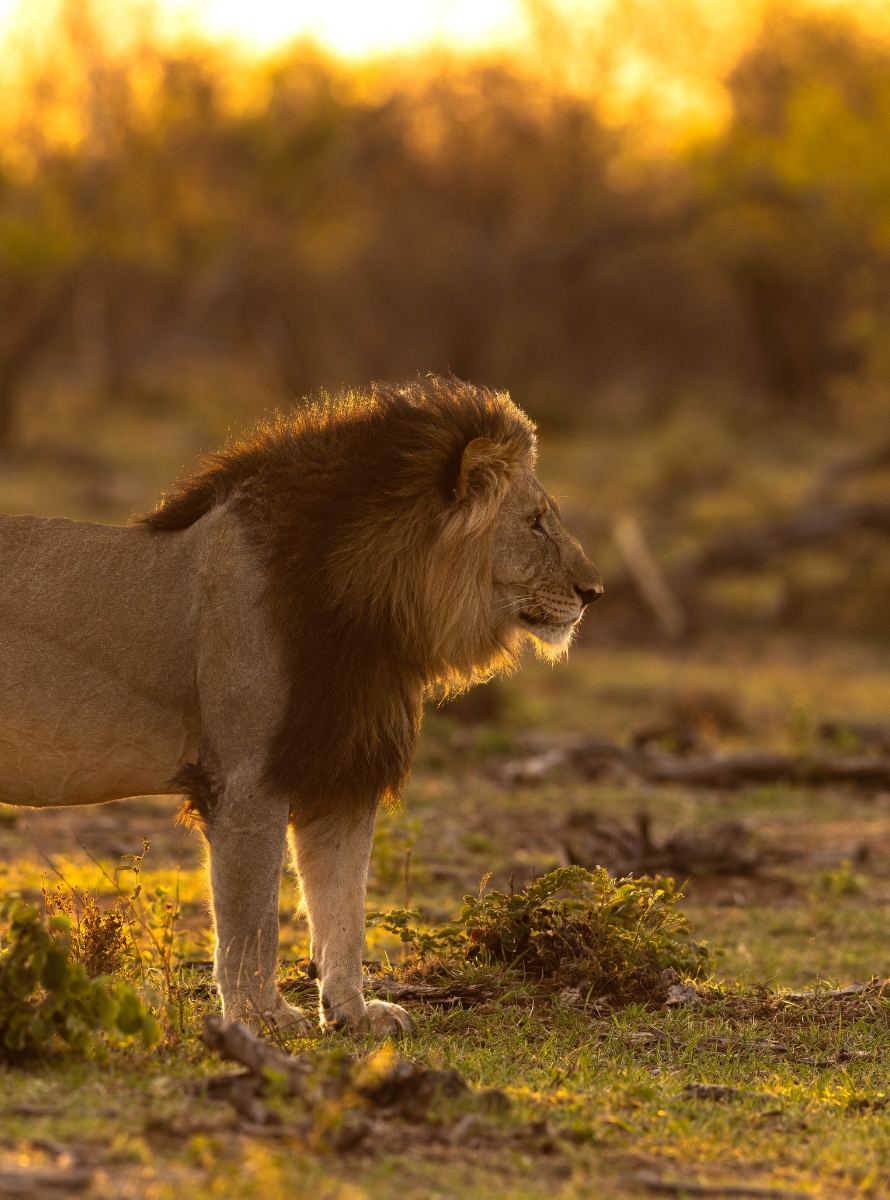
Kruger National Park, managed by South African National Parks (SANParks), is one of the largest protected areas on the African continent. Covering nearly 19,500 km², it is home to several hundred species of mammals, birds, reptiles and plants, including the emblematic Big Five.
Beyond its appeal to visitors, its mission is above all to preserve entire ecosystems. SANParks teams carry out scientific monitoring of species, restoration of natural habitats, anti-poaching work and the management of the vast ecological corridors that wildlife needs in order to move.
Through its scale and the resources it mobilises, Kruger National Park is today one of the pillars of conservation in South Africa.
If you would like to understand how this work fits into a broader approach, take a look at our guide to sustainable tourism in South Africa.
How do private reserves contribute to conservation?
Private reserves play an equally important role in protecting biodiversity. Their model rests on close-range management, which allows part of the revenue from safaris to be reinvested in concrete conservation work.
Depending on the reserve, that investment funds ranger teams, anti-poaching programmes, scientific monitoring of certain species, the restoration of natural habitats or projects run with local communities.
This capacity to act, often more targeted, lets them develop initiatives suited to the specific challenges of each territory. Some take part in species reintroduction programmes, for example, while others focus their efforts on protecting fragile ecosystems or on supporting neighbouring communities.
At South African Travellers, we favour partners who demonstrate concrete commitments to conservation, responsible management and local development, so that the safaris we offer contribute positively to the areas visited.
How do private reserves and Kruger fund conservation?
Protecting biodiversity in South Africa relies on several funding models. Although their approaches differ, Kruger National Park and private reserves pursue the same objective: securing the preservation of ecosystems over the long term through sustainable resources.
Funding is one of the main points of distinction between the two models. On one side, Kruger benefits from public management supported by various sources of funding. On the other, private reserves reinvest part of the revenue generated by tourism into protecting their own land.
How does Kruger National Park fund conservation?
Kruger National Park is funded mainly through visitor entrance fees, complemented by public funding, institutional partnerships and various programmes dedicated to conservation.
These resources cover the day-to-day management of a territory of nearly 19,500 km²: maintaining infrastructure, scientific monitoring of species, restoring natural habitats, fighting poaching and preserving the wider ecological balance.
The exceptional size of the park calls for considerable human and logistical resources. Rangers, researchers, vets, scientists and technical teams work together to preserve one of Africa’s most important biodiversity sanctuaries.
How do private reserves reinvest tourism revenue?
In private reserves, tourism is the main engine funding conservation. The revenue generated by safaris and accommodation directly supports work to protect wildlife and natural areas.
By deliberately limiting visitor numbers, many reserves favour low-impact tourism, with part of the revenue reinvested in managing the land. This model helps fund anti-poaching teams, veterinary monitoring, scientific research, ecosystem restoration and projects developed with local communities.
This approach shows that well-managed tourism can become a genuine lever for biodiversity conservation.
What impact do these two models have on protecting animals?
Whether in Kruger National Park or in private reserves, the goal remains the same: preserving animal populations and their habitats for the long term. The differences lie more in how they are managed than in their conservation ambitions.
The two models often work in complement to one another and together contribute to protecting wildlife in South Africa.
Why are private reserves and Kruger complementary?
In the Greater Kruger area, several private reserves such as Sabi Sand, Timbavati, Klaserie and Balule are no longer separated from the national park by fences. Animals can therefore move freely between these protected areas.
This ecological continuity supports the natural movement of wildlife, limits the isolation of animal populations and helps preserve their genetic diversity. It is a clear illustration of how public and private players work together to protect the same territory.
Rather than operating independently, these areas now form a vast ecological whole in which each reserve contributes, at its own scale, to conserving biodiversity.
What safari experience do they offer?
While their conservation mission is shared, the experience offered to travellers differs noticeably.
Kruger lets you discover wildlife entirely on your own or on guided safaris, across an immense territory where visitor numbers vary by sector and by season. That format appeals to travellers who value the freedom to explore the park at their own pace.
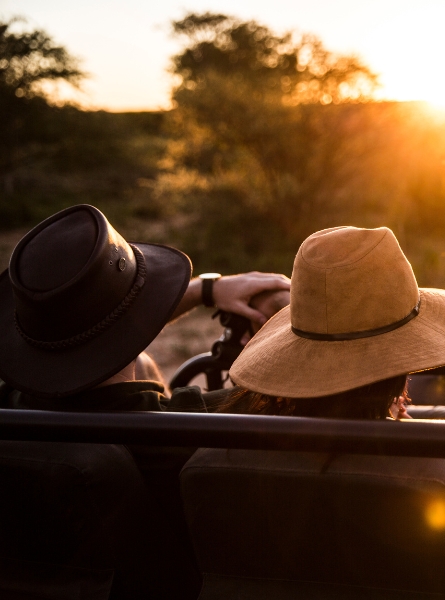
Private reserves, for their part, favour a more secluded approach. Safaris are generally run in small groups, accompanied by experienced guides and trackers, with a limited number of vehicles at any sighting. This set-up allows for a more personalised experience while respecting the management rules specific to each reserve.
Neither approach is better than the other: they simply answer different expectations while each contributing, in its own way, to protecting wildlife.
To see how your travel choices can also benefit local communities, read our article on how to support the local economy in South Africa.
Private reserve or Kruger: which experience should you choose?
There is no better choice between a private reserve and Kruger National Park. It all depends on your expectations, the way you travel and the experience you want to have. In both cases, you are supporting models that play an active part in conserving biodiversity in South Africa.
Kruger will appeal to travellers who want to discover one of the largest protected areas in Africa, enjoy the freedom of a self-drive safari or alternate with guided ones. Its sheer scale and the diversity of its landscapes make it an essential destination for a first encounter with South African wildlife.
Private reserves will suit travellers looking for a more secluded experience. Safaris there are generally run in small groups, accompanied by experienced guides and trackers, with a limited number of vehicles. This approach leaves more time to observe animals and to understand how the ecosystems work.
In practice, the two experiences are often complementary. Many itineraries combine a few nights in Kruger National Park with a stay in a private reserve in order to enjoy the strengths of each.
👉 Discover our itinerary combining a safari in South Africa with Victoria Falls, an ideal way to explore the finest natural areas of Southern Africa.
How was this guide produced?
This guide draws on the field experience of the South African Travellers team, based in Cape Town since 2007, as well as on publications from leading organisations specialising in conservation, sustainable tourism and the protection of biodiversity.
Over the years, our team has built a thorough knowledge of the private reserves, of Kruger National Park and of the players committed to conservation in South Africa. That expertise allows us to select partners who share our vision of more responsible tourism and to make recommendations grounded in concrete field experience.
To complement this expertise, we also rely on public data and scientific publications in order to guarantee the reliability of the information presented in this article.
Reference sources
The information presented in this guide draws in particular on the publications and recommendations of the following organisations:
- Statistics South Africa – Tourism Satellite Account
- South African National Parks (SANParks)
- UNESCO World Heritage Centre
- Travelife
Planning your safari in South Africa?
Understanding the differences between a private reserve and Kruger National Park helps you choose an experience suited to your wishes while supporting initiatives that contribute to protecting biodiversity.
If you would like to explore the subject further before preparing your trip, read our guide to a responsible safari in South Africa: how do you choose a committed reserve? You will find advice there on identifying the reserves that invest concretely in conservation, scientific research and the development of local communities.
Since 2007, our Cape Town-based team has designed tailor-made trips across Southern Africa, selecting partners recognised for the quality of their welcome and their commitment to more responsible tourism.
Would you like to create an itinerary that matches your wishes? Talk to one of our specialists to imagine a tailor-made safari combining Kruger National Park, a private reserve, or both depending on your plans.